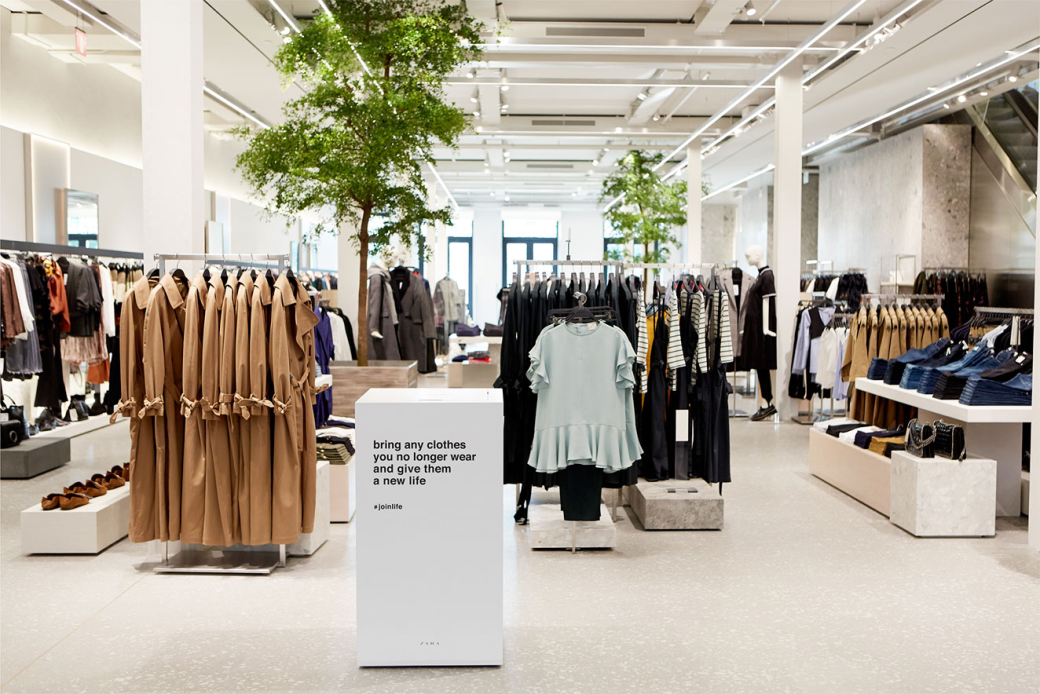
Trends in Eco-Friendly Retail: Sustainable Shopping

velikaplaza.info – In an era where environmental consciousness is at an all-time high, consumers are increasingly seeking out products and services that align with their values of sustainability and eco-friendliness. This shift in consumer behavior has given rise to a new wave of trends in eco-friendly retail, as businesses adapt to meet the growing demand for sustainable shopping options. Here’s a look at some of the key trends shaping the future of eco-friendly retail.

Sustainable Packaging

One of the most visible trends in eco-friendly retail is the move towards sustainable packaging. Retailers are opting for biodegradable, recyclable, or compostable packaging materials to reduce waste and minimize environmental impact. Some are even eliminating packaging altogether, encouraging consumers to bring their own containers for bulk purchases.

Zero-Waste Stores

Zero-waste stores, which sell a variety of products without any packaging, are becoming more popular. These stores allow customers to fill their own containers with items such as grains, nuts, shampoo, and cleaning products, significantly reducing the amount of single-use plastic and packaging waste.

Ethical Sourcing

Consumers are not only concerned with how products are packaged but also with how they are sourced. Retailers are responding by emphasizing ethical sourcing, ensuring that the products they sell are made with sustainable materials and produced under fair labor conditions. This includes supporting local farmers and artisans, using organic and non-GMO ingredients, and ensuring that products are cruelty-free.

Second-Hand and Upcycled Goods

The rise of the circular economy has seen a surge in the popularity of second-hand and upcycled goods. Retailers are now offering pre-owned items, vintage clothing, and upcycled furniture, which not only reduces waste but also offers consumers unique and affordable products. Online marketplaces and apps have made it easier than ever to buy and sell second-hand items, further fueling this trend.

Digital Retailing

E-commerce has always been touted as a more sustainable alternative to brick-and-mortar shopping due to reduced travel and energy consumption. However, the environmental impact of shipping and packaging has led to innovations such as carbon-neutral shipping, digital receipts, and local pickup options to minimize the ecological footprint of online shopping.

Conscious Consumerism

Consumers are now more informed and vocal about their desire for sustainable products. This has led to a trend of conscious consumerism, where shoppers are willing to pay a premium for products that are ethically sourced, environmentally friendly, and socially responsible. Retailers are responding by providing transparent information about the sustainability practices of their products and supply chains.

Green Retail Spaces

Retailers are also looking at the environmental impact of their physical spaces. Green retail spaces are designed to be energy-efficient, using renewable energy sources, sustainable building materials, and water-saving fixtures. Some stores are even integrating green spaces, such as vertical gardens or living walls, to create a more eco-friendly shopping environment.

Educational Retailing

Eco-friendly retailers are not just selling products; they are also educating consumers about sustainability. By providing information on topics such as recycling, composting, and the benefits of eco-friendly products, retailers are helping to raise awareness and encourage sustainable practices among their customers.

The trends in eco-friendly retail are a clear indication that sustainability is no longer a niche market but a mainstream demand. As consumers continue to prioritize environmental health and social responsibility, retailers will need to innovate and adapt to meet these expectations. The future of retail is green, and those who embrace sustainable practices will be well-positioned to thrive in this evolving landscape.

The Impact of Smartphones on Online Shopping Trends

In the digital age, smartphones have become ubiquitous, revolutionizing the way we communicate, work, and shop. The rise of mobile technology has had a profound impact on online shopping trends, transforming the e-commerce landscape in ways that were barely imaginable a decade ago. This phenomenon, often referred to as “Mobile Mania,” has reshaped consumer behavior, retail strategies, and the overall shopping experience. In this article, we will explore the impact of smartphones on online shopping trends and the implications for both consumers and businesses.

The Convenience Factor

One of the most significant drivers of mobile shopping is convenience. Smartphones allow consumers to shop anytime, anywhere, with just a few taps on their screens. Whether waiting in line, commuting to work, or lounging at home, shoppers can browse products, compare prices, and make purchases with ease. This accessibility has led to a surge in impulse buying and last-minute shopping, as the barriers to entry for online shopping have been significantly lowered.

The Rise of Mobile Commerce

The convenience of mobile shopping has given rise to mobile commerce, or m-commerce, which refers to the buying and selling of goods and services through wireless handheld devices like smartphones and tablets. M-commerce has experienced exponential growth, with statistics showing that a significant portion of online sales now comes from mobile devices. Retailers have responded by optimizing their websites for mobile users, developing mobile apps, and implementing mobile payment solutions to cater to this growing segment of the market.

Changing Consumer Expectations

As mobile shopping has become more prevalent, consumer expectations have evolved. Shoppers now demand seamless, user-friendly experiences across all devices. They expect personalized recommendations, easy navigation, and quick load times. Retailers that fail to meet these expectations risk losing customers to competitors who have embraced mobile-first strategies.

The Role of Social Media and Apps

Social media platforms and mobile apps have played a crucial role in the mobile shopping revolution. Social commerce, the use of social media platforms to facilitate shopping, has become a significant trend, with platforms like Instagram and Facebook integrating shopping features directly into their apps. Mobile apps have also become powerful tools for retailers, offering personalized experiences, exclusive deals, and loyalty programs designed to keep customers engaged and encourage repeat purchases.

The Influence of Mobile Payments

The rise of smartphones has also led to the proliferation of mobile payment systems, such as Apple Pay, Google Wallet, and various digital wallets. These systems offer a secure and convenient way to make payments, further streamlining the shopping process. As consumers become more comfortable with mobile payments, the demand for contactless and cashless transactions is likely to grow, influencing both online and in-store shopping experiences.

Challenges and Opportunities

While the impact of smartphones on online shopping trends has been overwhelmingly positive, it has also presented challenges. Retailers must navigate the complexities of mobile security, ensuring that customer data is protected. Additionally, the need to provide a consistent shopping experience across multiple devices requires significant investment in technology and resources.

Despite these challenges, the opportunities presented by mobile mania are vast. Retailers that can effectively harness the power of mobile technology to enhance the shopping experience will be well-positioned to capture a larger share of the market. Personalization, convenience, and seamless integration across channels will be key differentiators in a mobile-first world.

Conclusion

The impact of smartphones on online shopping trends is undeniable. Mobile mania has not only changed the way consumers shop but has also forced retailers to adapt their strategies to meet the demands of a mobile-centric audience. As technology continues to evolve, the intersection of mobile technology and e-commerce will undoubtedly bring new innovations and opportunities, shaping the future of retail in the digital age.