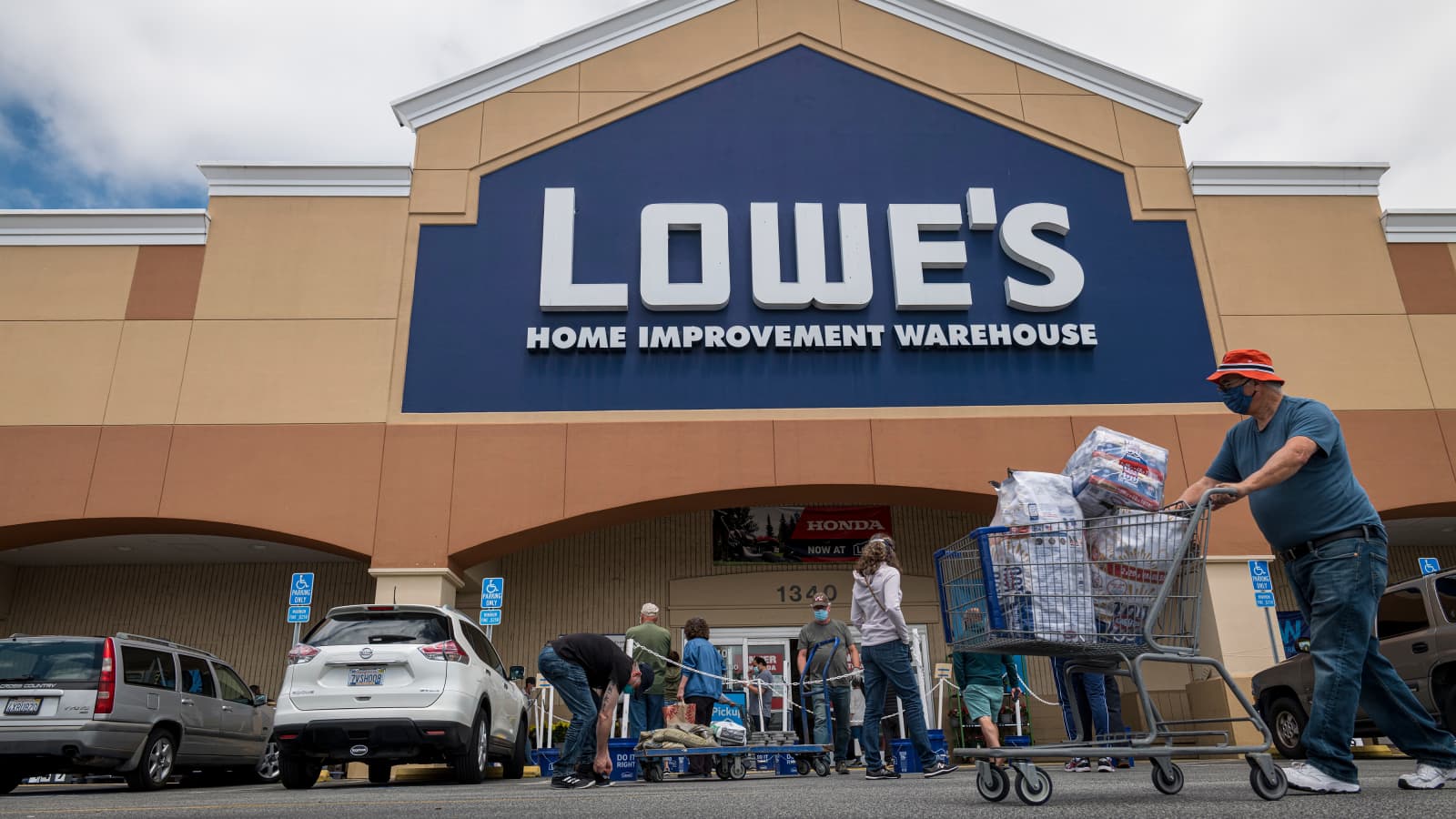
Lowe’s Shopping: Guide to Your Home Improvement Needs

velikaplaza.info – Lowe’s, a leading home improvement retailer, has been a go-to destination for DIY enthusiasts, professional contractors, and everyone in between since its inception in 1921. With a vast array of products ranging from building materials to home appliances, Lowe’s offers a one-stop shopping experience for all your home improvement needs. In this article, we’ll delve into the Lowe’s shopping experience, highlighting what makes it a preferred choice for customers across the United States and Canada.

The Lowe’s Shopping Experience

1. Extensive Product Selection

Lowe’s boasts an extensive inventory that covers every aspect of home improvement and maintenance. Whether you’re looking for lumber to build a deck, paint to refresh your living room, or smart home devices to enhance your home’s functionality, Lowe’s has it all. The retailer also offers a wide range of appliances, from refrigerators and washers to dryers and dishwashers, making it a convenient choice for upgrading your home’s essentials.

2. Expert Advice and Services

One of the standout features of shopping at Lowe’s is the availability of expert advice. The staff, particularly in the specialty departments like plumbing, electrical, and flooring, are well-versed in their areas and can offer valuable guidance. Lowe’s also provides installation services for many of its products, including flooring, windows, and appliances, making the shopping experience more comprehensive.

3. Convenient Shopping Options

Lowe’s understands the value of convenience in today’s fast-paced world. The retailer offers multiple shopping options to suit different preferences. You can visit one of the many Lowe’s stores across North America, shop online through their user-friendly website, or use the Lowe’s mobile app for a seamless shopping experience. Online shoppers can enjoy services like buy online, pick up in store, and free shipping on qualifying orders, making Lowe’s a convenient choice for busy customers.

4. Loyalty Programs and Savings

Lowe’s offers a loyalty program, MyLowe’s, which provides members with various benefits, including free shipping, exclusive discounts, and personalized deals. The retailer also frequently runs sales and promotions, offering additional savings on top of their already competitive prices. For professionals and frequent shoppers, the Lowe’s Advantage Card provides financing options and additional discounts.

Conclusion

Lowe’s shopping experience is designed to cater to the diverse needs of its customers, offering a wide selection of products, expert advice, convenient shopping options, and savings opportunities. Whether you’re embarking on a major renovation project or need a simple repair, Lowe’s is equipped to meet your home improvement needs. With a commitment to quality, service, and value, Lowe’s continues to be a trusted partner for homeowners and professionals alike.
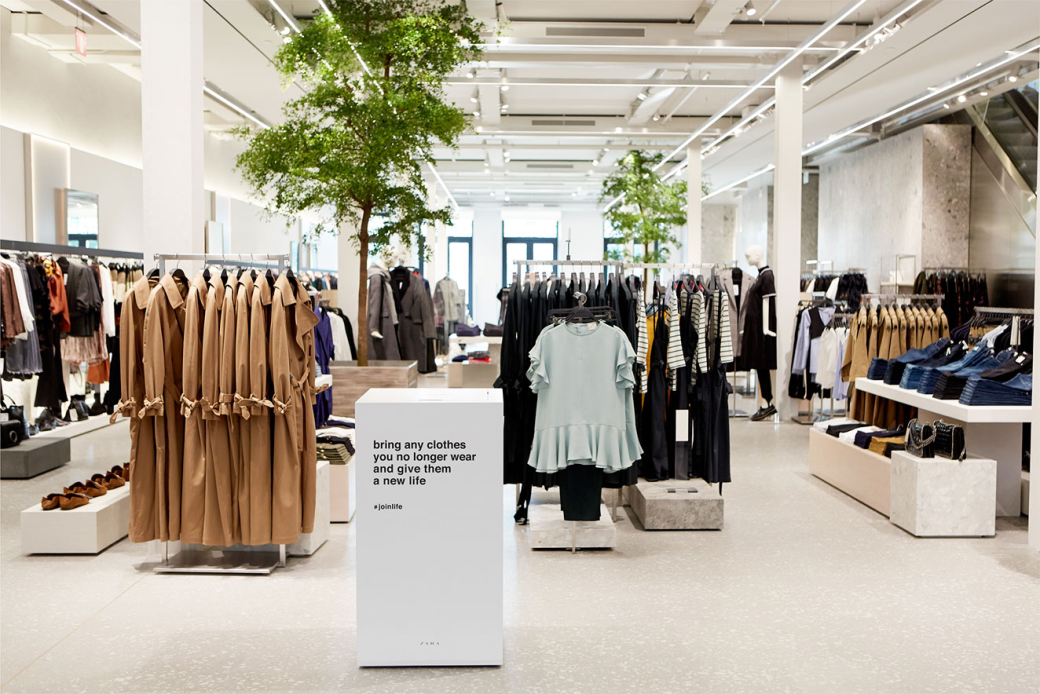
Trends in Eco-Friendly Retail: Sustainable Shopping

velikaplaza.info – In an era where environmental consciousness is at an all-time high, consumers are increasingly seeking out products and services that align with their values of sustainability and eco-friendliness. This shift in consumer behavior has given rise to a new wave of trends in eco-friendly retail, as businesses adapt to meet the growing demand for sustainable shopping options. Here’s a look at some of the key trends shaping the future of eco-friendly retail.

Sustainable Packaging

One of the most visible trends in eco-friendly retail is the move towards sustainable packaging. Retailers are opting for biodegradable, recyclable, or compostable packaging materials to reduce waste and minimize environmental impact. Some are even eliminating packaging altogether, encouraging consumers to bring their own containers for bulk purchases.

Zero-Waste Stores

Zero-waste stores, which sell a variety of products without any packaging, are becoming more popular. These stores allow customers to fill their own containers with items such as grains, nuts, shampoo, and cleaning products, significantly reducing the amount of single-use plastic and packaging waste.

Ethical Sourcing

Consumers are not only concerned with how products are packaged but also with how they are sourced. Retailers are responding by emphasizing ethical sourcing, ensuring that the products they sell are made with sustainable materials and produced under fair labor conditions. This includes supporting local farmers and artisans, using organic and non-GMO ingredients, and ensuring that products are cruelty-free.

Second-Hand and Upcycled Goods

The rise of the circular economy has seen a surge in the popularity of second-hand and upcycled goods. Retailers are now offering pre-owned items, vintage clothing, and upcycled furniture, which not only reduces waste but also offers consumers unique and affordable products. Online marketplaces and apps have made it easier than ever to buy and sell second-hand items, further fueling this trend.

Digital Retailing

E-commerce has always been touted as a more sustainable alternative to brick-and-mortar shopping due to reduced travel and energy consumption. However, the environmental impact of shipping and packaging has led to innovations such as carbon-neutral shipping, digital receipts, and local pickup options to minimize the ecological footprint of online shopping.

Conscious Consumerism

Consumers are now more informed and vocal about their desire for sustainable products. This has led to a trend of conscious consumerism, where shoppers are willing to pay a premium for products that are ethically sourced, environmentally friendly, and socially responsible. Retailers are responding by providing transparent information about the sustainability practices of their products and supply chains.

Green Retail Spaces

Retailers are also looking at the environmental impact of their physical spaces. Green retail spaces are designed to be energy-efficient, using renewable energy sources, sustainable building materials, and water-saving fixtures. Some stores are even integrating green spaces, such as vertical gardens or living walls, to create a more eco-friendly shopping environment.

Educational Retailing

Eco-friendly retailers are not just selling products; they are also educating consumers about sustainability. By providing information on topics such as recycling, composting, and the benefits of eco-friendly products, retailers are helping to raise awareness and encourage sustainable practices among their customers.

The trends in eco-friendly retail are a clear indication that sustainability is no longer a niche market but a mainstream demand. As consumers continue to prioritize environmental health and social responsibility, retailers will need to innovate and adapt to meet these expectations. The future of retail is green, and those who embrace sustainable practices will be well-positioned to thrive in this evolving landscape.