Unveiling the Secrets of the Deep: Marine Mysteries

velikaplaza.info – The vast expanse of our oceans, covering over 70% of the Earth’s surface, is a realm of mystery and wonder. Despite centuries of exploration, the deep sea remains largely unexplored, harboring secrets that have intrigued scientists and adventurers alike. This article delves into the enigmatic world beneath the waves, exploring some of the most captivating marine mysteries and the ongoing efforts to uncover them.

The Enigma of Deep-Sea Creatures

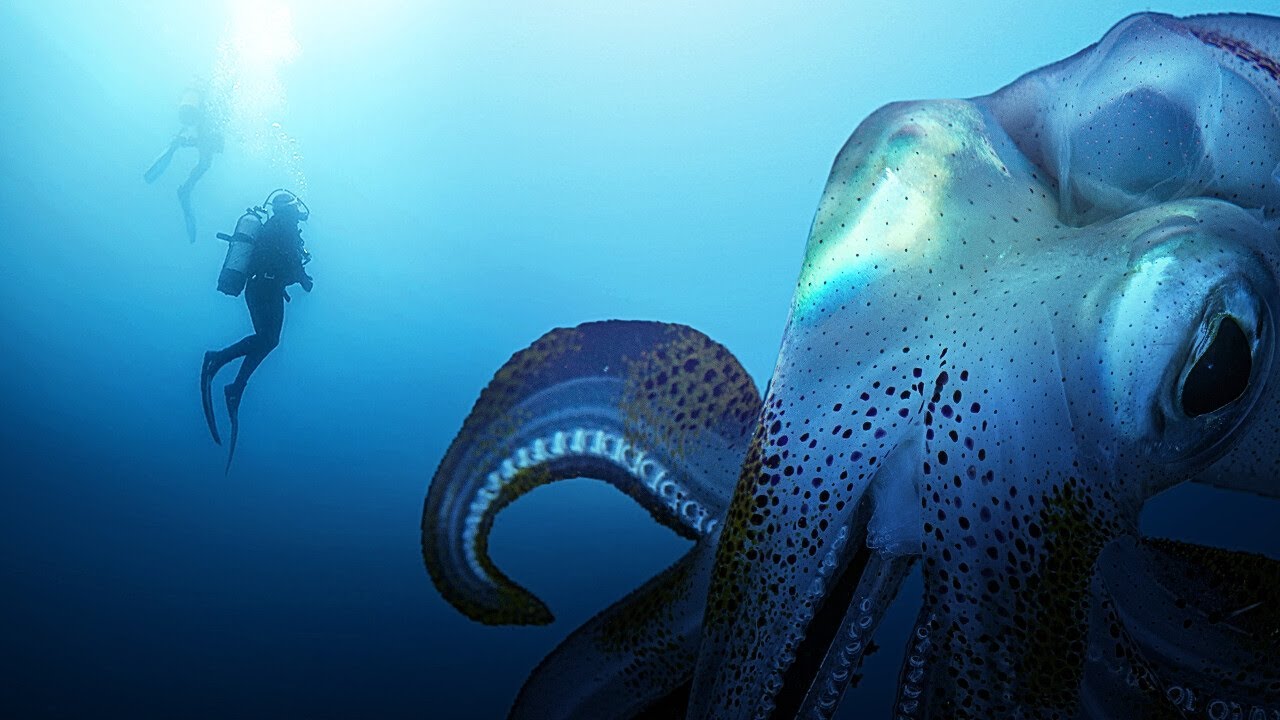
One of the most fascinating aspects of the deep sea is its diverse array of life forms. Creatures like the anglerfish, with its bioluminescent lure, and the giant squid, with its elusive nature, have long captured the imagination. Recent advancements in deep-sea exploration, such as remotely operated vehicles (ROVs) and deep-diving submarines, have allowed scientists to observe these creatures in their natural habitat, shedding light on their behaviors and ecological roles.

The Quest for Sunless Ecosystems

Deep beneath the ocean’s surface, where sunlight cannot penetrate, lie unique ecosystems sustained by hydrothermal vents and cold seeps. These environments are home to chemosynthetic organisms that thrive in extreme conditions, challenging our understanding of life’s limits. The discovery of these ecosystems has revolutionized our perception of the deep sea, revealing a world teeming with life where none was expected.

The Mystery of Underwater Sounds

The ocean is a cacophony of sounds, from the haunting calls of whales to the rhythmic pulsing of dolphin sonar. Yet, there are mysterious underwater sounds that remain unexplained, such as the infamous “Bloop” recorded by the U.S. National Oceanic and Atmospheric Administration (NOAA). These enigmatic noises have sparked curiosity and speculation, prompting researchers to develop advanced acoustic monitoring systems to listen to the ocean and decipher its cryptic messages.

The Search for Sunken Treasures and Wrecks

The deep sea is the final resting place for countless ships and aircraft, many of which are lost to history. The search for these sunken treasures and wrecks is not only a quest for historical artifacts but also an opportunity to study the impact of human activity on the marine environment. Discoveries like the Titanic and the Bismarck have provided invaluable insights into maritime history and the processes of decay and preservation under the sea.

The Role of Technology in Deep-Sea Exploration

Technological innovation has been the key to unlocking the secrets of the deep. From satellite imagery to autonomous underwater vehicles (AUVs), the tools at our disposal are constantly evolving. These advancements have enabled scientists to map the ocean floor, monitor marine life, and even collect samples from the deepest parts of the ocean, such as the Mariana Trench.

Conclusion

The deep sea is a realm of endless fascination, where each discovery leads to new questions. As we continue to explore and study this mysterious world, we gain a deeper appreciation for the complexity and beauty of our planet’s last frontier. The marine mysteries that lie beneath the waves remind us of the vastness of the unknown and the importance of preserving these enigmatic ecosystems for future generations to discover.

Unveiling the Science Behind Dyes, Highlights, and Tints

Hair coloring is an art that transforms appearances, boosts confidence, and allows individuals to express their personalities. However, beneath the allure of vibrant hues and subtle shades lies a fascinating world of chemistry. The science behind hair color involves complex chemical reactions, the structure of hair, and the interaction between colorants and hair proteins. This article delves into the chemistry of hair color, exploring the mechanisms of dyes, highlights, and tints.

The Structure of Hair:
To understand hair coloring, it’s essential to know the structure of hair. Human hair is composed of the cuticle, cortex, and medulla, with the cortex being the most critical layer for coloring. The cortex contains melanin, a natural pigment responsible for hair color. The cuticle, the outermost layer, is made up of overlapping scales that protect the inner structure.

Permanent Hair Dyes:
Permanent hair dyes are the most transformative and involve two main steps: removal of natural color (stripping) and addition of artificial color. These dyes contain ammonia, which swells the hair shaft, allowing the cuticle to open up. This process is facilitated by hydrogen peroxide, which lightens the natural hair color by breaking down melanin. Once the hair is lightened, artificial color molecules, known as dye intermediates and couplers, are introduced. These smaller molecules penetrate the cortex and combine to form larger pigments, which become trapped within the hair, providing the new color.

Semi-Permanent and Demi-Permanent Hair Dyes:
Semi-permanent and demi-permanent dyes are less harsh than permanent dyes because they do not contain ammonia or peroxide. They deposit color on the surface of the hair shaft and within the cuticle without altering the natural hair color. These dyes gradually fade with each wash, making them a temporary option for those looking to experiment with color.

Highlights and Lowlights:
Highlights and lowlights involve selective coloring to create depth and dimension. Highlights are lighter streaks that contrast with the base hair color, while lowlights are darker streaks that add richness. Both techniques use foils or cap techniques to isolate sections of hair. The chemicals used are similar to those in permanent dyes, but the application method allows for more precise control over where the color is deposited.

Tints and Glazes:
Tints and glazes are often used to refresh faded color or to add subtle changes to the hair. Tints are typically semi-permanent and can enhance or alter the natural hair color slightly. Glazes, on the other hand, are clear or lightly pigmented formulas that coat the hair, providing shine and a hint of color without significantly altering the natural shade.

The Role of Developers:
Developers are an integral part of the hair coloring process, especially for permanent and high-lift dyes. They contain hydrogen peroxide, which acts as an oxidizing agent. The strength of the developer is measured in volumes (e.g., 10-volume, 20-volume, 30-volume, 40-volume), indicating its lifting power. The higher the volume, the greater the lightening effect. Developers work in tandem with dyes to open the hair cuticle and facilitate the penetration of color molecules.

Conclusion:
The chemistry of hair color is a blend of art and science, where understanding the hair’s structure and the chemical composition of dyes is crucial for achieving desired results. Whether it’s a bold new shade, subtle highlights, or a refreshing tint, the process involves careful manipulation of hair’s natural pigments and the introduction of artificial colorants. As hair color technology continues to evolve, the possibilities for creative expression are endless, all thanks to the intricate chemistry at work.